







Search Results for: Water Flow Control

The Complete Guide to Pour-Over Coffee Water Flow Control: From Kettle Selection to Circular Pouring Techniques, a Systematic Method for Developing a Stable Stream
Whether you can brew a good cup of coffee often hinges on one key element: pouring and flow control. Parameters can be adjusted through understanding and trial and error, but flow control is more of a technical skill that relies on muscle memory—it requires choosing the right equipment, adopting the correct posture, and practicing repeatedly. This article starts with the spout diameter and water capacity of the pour-over kettle, explaining how different choices affect the difficulty of practice. It then goes on to explain the posture points during pouring, such as the distance between your body and the dripper and the height of your arm. Finally, it provides a complete training sequence from a thin stream to a thick stream, and from a steady straight line to concentric circles, helping coffee enthusiasts build stable flow control skills in a short time. The article also retains practical observations and suggestions from Front Street Coffee stores for readers' reference. [more…]
A Comprehensive Guide to Pour-Over Coffee Water Control Techniques: The Difference Between High and Low Flow Rates and Systematic Practice Methods
In the process of brewing pour-over coffee, the key to determining the quality of a cup often lies not in the final shape of the coffee bed, but in whether the brewing parameters match the beans and equipment, and whether the water flow is stable and controllable during pouring. An erratic flow rate or a drifting pour point can lead to problems such as excessive bypass water and uneven extraction. From the perspective of Front Street, this article systematically explains how to choose and consistently practice with a pour-over kettle, and advances water control skills in two stages—fixed-point steady pouring and circular steady pouring—while also explaining the performance differences between large and small flows under different spout diameters, helping coffee enthusiasts find a practice path that suits them. [more…]

A Complete Guide to Water Control Techniques in Pour-Over Coffee: Systematic Training from Flow Rate and Pouring Height to Circular Pouring Technique
The flavor profile of pour-over coffee depends to a large extent on the stability of the pouring. Many enthusiasts plan their brewing parameters in advance, but once they start, the water flow becomes difficult to control, and the final result is left to chance. Drawing on Front Street's practical experience, this article systematically lays out training methods for the fundamental skill of water control, including how to choose and hold a pour-over kettle, the key points for controlling a vertical stream, reference ranges for flow rate and pouring height, and the correct path for circular pouring along with common mistakes. Through progressive practice, it helps you improve your feel for starting and stopping the pour during actual brewing, making extraction more even and the flavor closer to the ideal. [more…]
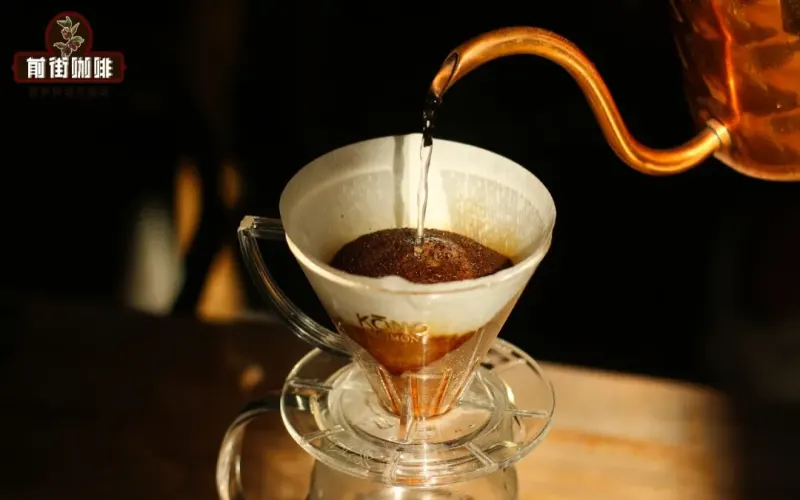
Pour-Over Kettle Buying Guide: An In-Depth Analysis of Two Core Considerations—Temperature Control Features and Water-Flow Difficulty
Faced with the dazzling array of pour-over kettles on the market, how should beginners make a suitable choice? Front Street points out that when purchasing, you only need to focus on two key dimensions: whether it comes with a temperature control system, and how easy it is to control the water flow. Temperature-controlled and non-temperature-controlled versions differ significantly in price and convenience—taking Brewista as an example, the price gap between the two can reach about four times. The difficulty of water control mainly depends on the length of the kettle neck, its inner diameter, and the shape and caliber of the spout—a slender gooseneck with a small-caliber curved spout suits beginners pursuing stable pouring, while a short, thick neck with a large-caliber flat spout is better suited to advanced players who enjoy fancy pouring techniques. This article will break down these two directions one by one, and include specific recommendations for Front Street's commonly used Hario Cloud Kettle, Kalita Swan-Neck Kettle, Fellow Kettle, and others, to help you find the one that fits your hand best. [more…]
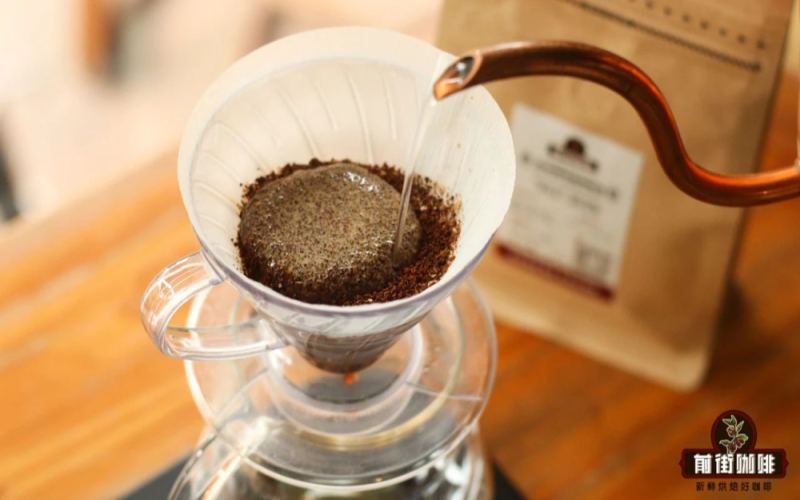
Learning Pour-Over Coffee from Scratch: A Complete Step-by-Step Process and Practical Water Flow Control Techniques
For friends who are just getting into pour-over coffee, everything from choosing equipment to pouring technique can become a stumbling block. Many people piece together what they learn from online videos, taking plenty of detours before gradually figuring out the tricks of the trade. In fact, as long as you sort out the order of the brewing process and master a few key techniques, getting started isn't as difficult as you might imagine. Drawing on the practical experience of Front Street Coffee, this article systematically lays out the basic steps of pour-over coffee, focuses on the core challenge of water flow control, and shares insights on selecting and modifying the spout of a pouring kettle, helping beginners pour a steady stream of water in the shortest time possible and making every cup of pour-over more reliable. [more…]
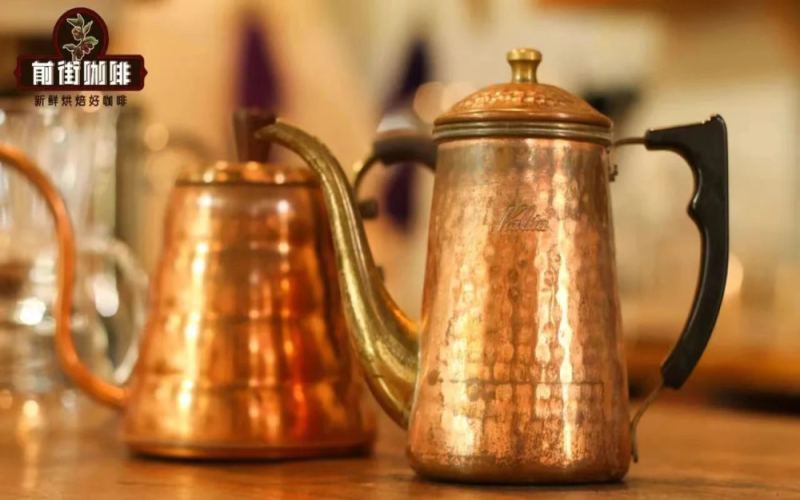
How to Choose the Right Pour-Over Kettle for Your Home Coffee Corner? A Comprehensive Guide from Temperature Control and Spout to Material
Creating a coffee corner at home—a handy pour-over kettle often determines how smooth your brewing experience will be. Faced with the dazzling array of options on the market, everything from temperature-controlled versus non-temperature-controlled, spout shape, body capacity, handle design, to material differences will affect water flow control and ease of use. This article will systematically sort out the key dimensions for choosing a pour-over kettle, helping beginners and advanced enthusiasts find the one that suits them best, and also includes Front Street Coffee's recommended flavor progression for beginner coffee beans, making it easier to pair your equipment with your beans. [more…]
Introduction to Latte Art for Espresso: Master the Four Core Techniques of Height, Posture, Flow, and Control
Creating exquisite patterns on the surface of espresso is not out of reach, but the fluid dynamics when milk and coffee liquid meet truly require careful study. This article breaks down latte art techniques into four key elements: height, posture, flow rate, and control, helping coffee enthusiasts master the essentials step by step. From the initial height of pouring milk foam to the subtle swinging of the pitcher spout, from precise control of flow rate to the rhythmic variations of different patterns, each step is accompanied by specific operational instructions. The article also specifically mentions relevant product information from Front Street Coffee, providing readers with practical references. Whether you want to make a classic heart shape or challenge the Rosetta and tulip, these basic exercises are worth repeated study. [more…]
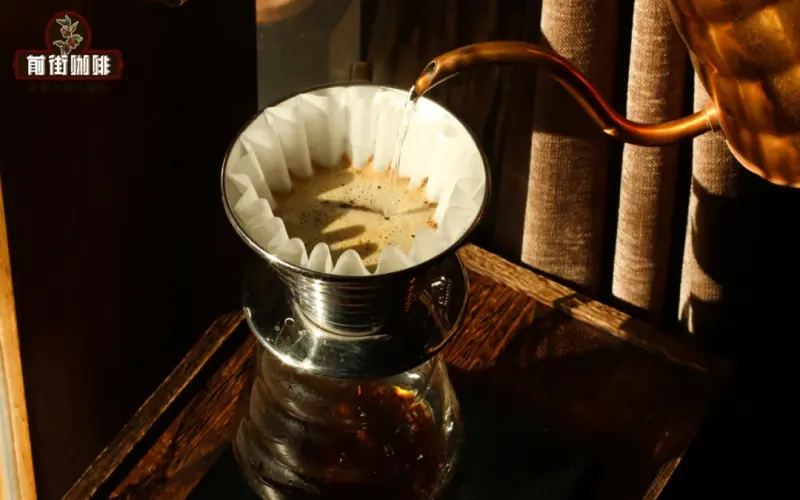
A Detailed Guide to Pour-Over Coffee Pouring Techniques: From Spout Selection to Practical Exercises for a Steady Stream
In the extraction process of pour-over coffee, water flow control is one of the key factors determining the quality of the final cup. However, many beginners discover in practice that maintaining a steady pour is far more difficult than they imagined—problems such as the flow rate surging and dropping, stopping and starting, and the arm trembling occur frequently. In a previous article, Front Street Coffee explained the important influence of water flow on extraction; today we focus on the practical side, sharing how to improve your water control ability in a relatively short time by choosing a suitable spout and mastering practice techniques. The article will also introduce methods for modifying a pour-over kettle, helping enthusiasts who already own equipment reduce the difficulty of water control, quickly develop muscle memory, and pour the steady stream they envision. [more…]

Four Methods for Adjusting Pour-Over Coffee Flow Rate: Pulse Pouring, Water Flow Control, Changing Filters and Drippers, and a Front Street Brewing Example
In the extraction process of pour-over coffee, grind size is often regarded as the primary means of adjusting flow rate, but in reality there are several other operational methods that can change the speed at which coffee liquid drips through. Front Street Coffee will share four practical methods: staged pouring, controlling water flow rate, changing the filter paper, and changing the dripper, and will explain in detail how the designs of different drippers affect flow rate. The article also combines Front Street Granja Geisha and PWN Golden Mandheling beans to provide specific brewing parameters for the V60 and Kono drippers, helping coffee enthusiasts flexibly adjust extraction time while keeping other variables fixed, so as to achieve the ideal flavor. [more…]
A Complete Guide to Choosing a Home Pour-Over Kettle for Beginners: Practical Selection Tips from Temperature Control and Spout to Material
Want to get your hands on a pour-over kettle but feel overwhelmed by the bewildering array of styles on the market and don't know where to start? Actually, choosing a kettle is like a swordsman choosing a sword—a well-suited one can greatly reduce the difficulty of controlling the water flow, letting even beginners brew consistently good-tasting coffee. This article draws on Front Street's hands-on experience to break down the key points of choosing a kettle one by one: the choice between temperature-controlled and non-temperature-controlled models, how the spout shape affects the water flow, the kettle body capacity and handle design, and the trade-offs among materials like stainless steel, copper, and enamel porcelain. At the end, we've also included a flavor sequence of Front Street Coffee beans suitable for beginners to try step by step, helping you sort out your buying logic all at once. [more…]
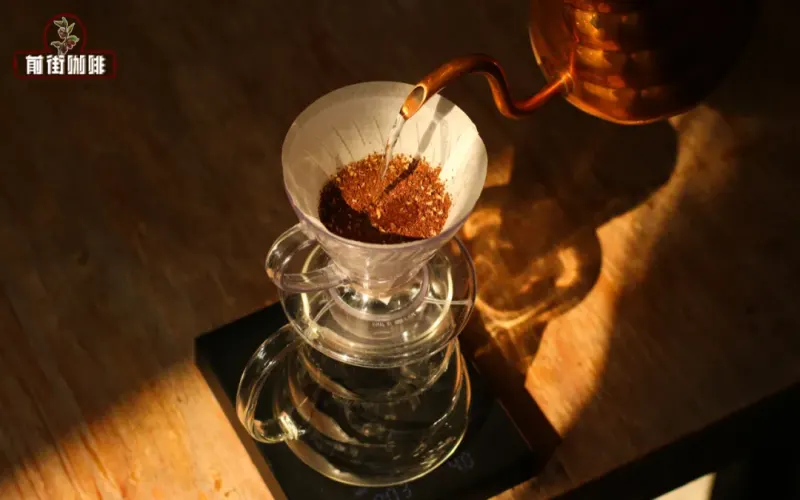
The Clever Cup's Water Control Valve Trick: Locking in Hot Water for Even Blooming — Pour-Over Operation and Parameters Shared
That small water-control valve on the Clever Cup can actually help us do quite a lot. By opening and closing the valve or adjusting how far it's closed, we can flexibly control the coffee's extraction method and the flow rate, and it can even help beginners pull off operations that are normally difficult—like a "perfect bloom." This article revolves around the principles of blooming and the choice of water volume, analyzing the uneven saturation problems that tend to occur with traditional blooming, and explaining how the Clever Cup uses its valve to lock hot water inside the dripper to achieve immersion-style blooming. Then, using Front Street Coffee's Grana Geisha as an example, it shares a complete three-pour brewing process to see whether a 30-second immersion bloom actually leads to over-extraction. [more…]
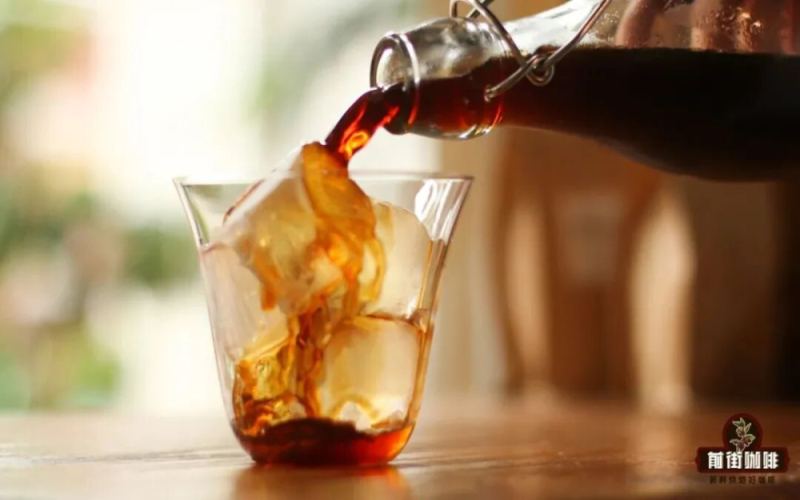
Complete Guide to Cold Brew Coffee Making: Standard Steps, Flow Rate Control, and Time Explained
Cold drip coffee, with its lengthy brewing process and unique layers of flavor, has always been a topic of interest among coffee enthusiasts. Completely different from cold brew, cold drip requires specialized equipment, precise control of the water drip rate, and subsequent fermentation and aging. This article will analyze in detail the standard steps for making cold drip coffee from four dimensions—grind size, drip speed, extraction ratio, and aging time—and answer the common question of "how long does it actually take to make a cup of cold drip?" At the same time, the article also compiles Front Street Coffee's practical experience and parameter recommendations in cold drip production, helping you understand the complete process of this low-temperature drip coffee in a more systematic way. [more…]
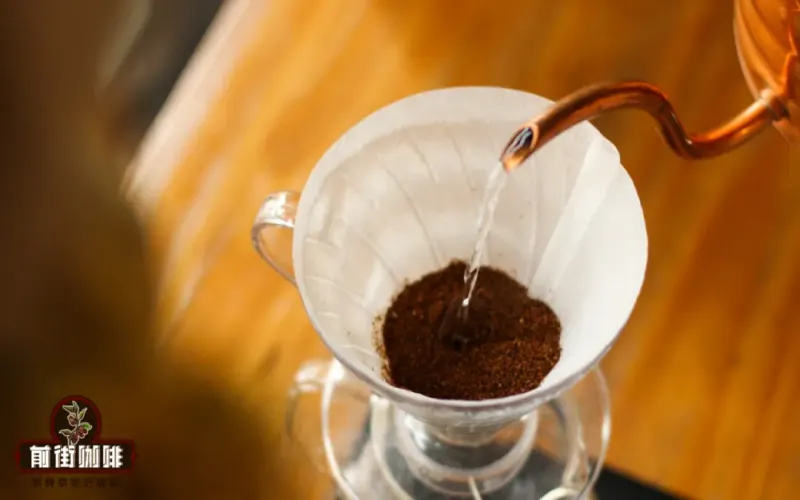
Pour-Over Coffee Water Pouring Techniques Explained: Key Steps of Scott Rao's Spin and Shake Method and Dripper Flow Control Tips
Among the many pouring techniques in pour-over coffee, there is one method that looks quite bold and unrestrained—the Rao Spin, created by coffee industry celebrity Scott Rao. This multi-talented figure—roaster, barista, and author—is renowned in the industry for his books such as The Coffee Roaster's Companion, The Professional Barista's Handbook, and The Coffee Brewer's Handbook. In Rao Spin, "Spin" means to rotate or shake, so Front Street Coffee habitually calls it the Lao-style shaking method. This article will introduce the origins and characteristics of this brewing method, break down its pouring steps in detail, and also discuss the principle behind gripping the dripper to control the flow rate. [more…]
Pour-Over Kettle Buying Guide: A Detailed Look at Spout Shapes, Material Differences, and Brand Recommendations
The heating up of the single-origin coffee market has driven the diversified development of pour-over equipment. Faced with numerous brands such as Kalita, Hario, and Bonavita, as well as different kettle shapes like fine spout, gooseneck, and flat spout, beginners often find it hard to choose. This article approaches the topic from two major dimensions—spout inner diameter and material characteristics—to systematically sort out the pros and cons and applicable scenarios of various pour-over kettles. Combined with the hands-on experience of several baristas, it also reviews popular models such as the Hario Cloud kettle, Bonavita gooseneck kettle, Kalita copper kettle, and Melitta pour-over kettle. Whether you are a novice just getting into pour-over or an enthusiast seeking advanced equipment, you can find a direction that suits you. The article also includes practical advice from Front Street Coffee. [more…]
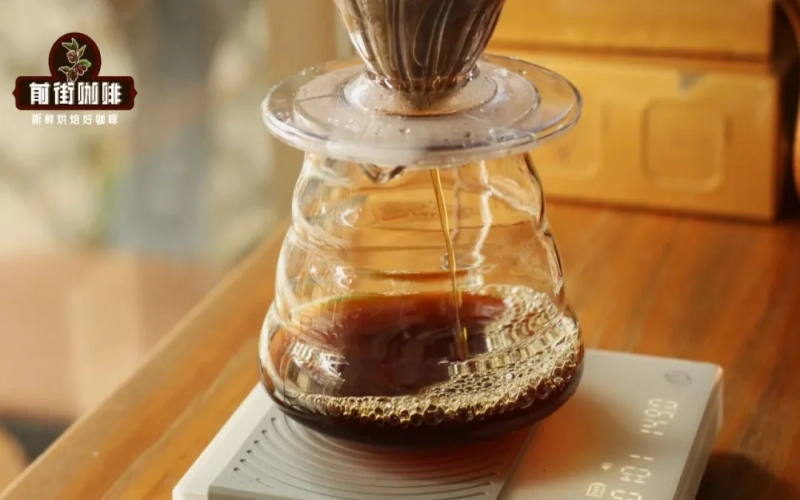
The Complete Guide to Pour-Over Coffee Water Pouring: Analyzing the Core Techniques of Position, Path, Height, and Flow Rate
Many coffee enthusiasts who practice pour-over at home often struggle with inconsistent flavor even when their parameters match those used in cafés. The root cause usually lies in the water stream not being stable enough during pouring. In fact, the position, path, height, and size of the pour all directly affect the extraction. SCA experimental data shows that the higher the stability of the water stream, the higher the extraction uniformity. This article draws on the hands-on experience of Front Street cafés to systematically explain how to stabilize the brewing of a delicious pour-over coffee through precise control of pouring. Whether you are a beginner or an advanced player, mastering these pouring essentials can take your coffee quality to the next level. [more…]
The Complete Guide to Buying a Dripper: The Profound Impact of Cone Shape, Internal Ribs, Hole Design, and Material on Extraction Flow Rate and Temperature Control
Faced with drippers of all shapes and sizes on the market, friends new to pour-over coffee are often baffled by names like V60, Kono, and Origami, along with materials such as ceramic, resin, and metal. This article starts from the fundamental structure of the dripper, breaking down what the cone shape, internal ribs, bottom hole, and construction material each mean. You'll come to understand that these designs ultimately point to two core factors: flow rate and temperature control, and grasping the differences in thermal conductivity and specific heat capacity can help you match a more suitable dripper to your brewing method. Front Street Coffee takes you through the principles so you no longer follow trends blindly, and find that perfect cup of coffee of your own. [more…]
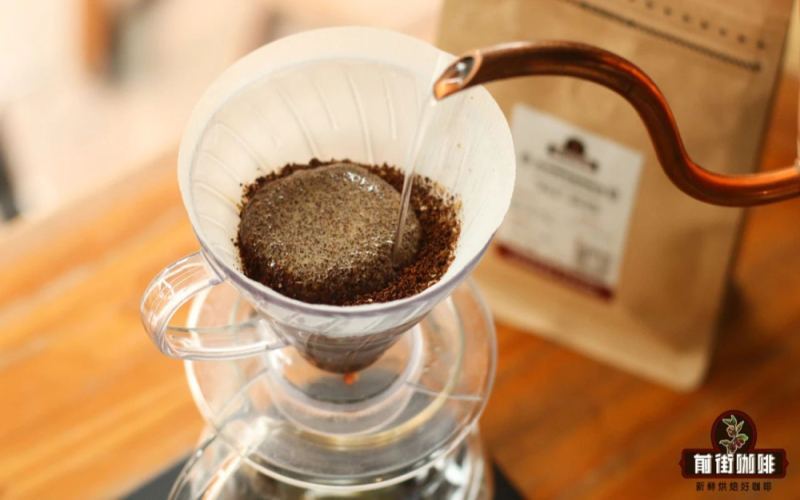
From Choosing Equipment to Pouring Technique: A Complete Guide to Pour-Over Coffee Basics, Water Temperature, Grind Size, and Coffee-to-Water Ratio
For making an authentic single-origin coffee at home, pour-over is often the lowest-barrier and quickest option to master. The equipment isn't as bulky or expensive as espresso machines, and as long as you grasp a few key parameters, your results will gradually become consistent. Drawing on the hands-on experience of Front Street Coffee, this article systematically lays out the equipment setup needed for pour-over coffee, including guidance on choosing a gooseneck kettle, dripper, grinder, thermometer, digital scale, filter paper, fines sifter, and server; it also breaks down how six major variables—water temperature, grind size, coffee-to-water ratio, water quality, bean freshness, and pouring technique—affect flavor, and uses a three-pour method as an example to explain how to control blooming, pouring rhythm, and extraction time, helping enthusiasts build a reproducible brewing framework. [more…]
A Complete Analysis of Pour-Over Coffee Water Pouring: How Position, Path, Height, and Flow Rate Affect Extraction
Many friends who are teaching themselves pour-over coffee at home often run into a problem: even when the parameters match those recommended by Front Street stores, the coffee they brew comes out inconsistent—sometimes good, sometimes bad. The reason is mostly that the water flow is not stable enough during pouring. The position, path, height, and size of the pour all directly affect the evenness of extraction and the flavor expression of the coffee. SCA experimental data shows that the higher the stability of the water flow, the higher the extraction evenness. Starting from the brewing practice with Front Street’s Little Tomato coffee beans, this article systematically analyzes how the four major elements of pouring affect extraction, and gives specific operational suggestions to help you consistently brew a delicious cup of pour-over coffee. [more…]
A Guide to Buying the Six Essential Pour-Over Coffee Tools: How to Choose Brands for Grinders, Gooseneck Kettles, Drippers, and More, Plus Beginner Pitfall Advice
Just getting into pour-over coffee, many people feel overwhelmed by the bewildering array of equipment on the market and don't know where to start. This article focuses on the six essential pieces of basic gear for pour-over—the grinder, the pour-over kettle, the dripper, the filter paper, the thermometer and the digital scale—going through each one's categories, pros and cons and the people they suit, and offering specific buying guidance. From the trade-offs between hand grinders and electric grinders, to the differences between cheat kettles, gooseneck kettles and swan-neck kettles, and on to the extraction characteristics of conical, trapezoidal and wave drippers, it helps you make the right choice based on your own budget and needs, so you don't waste money. [more…]
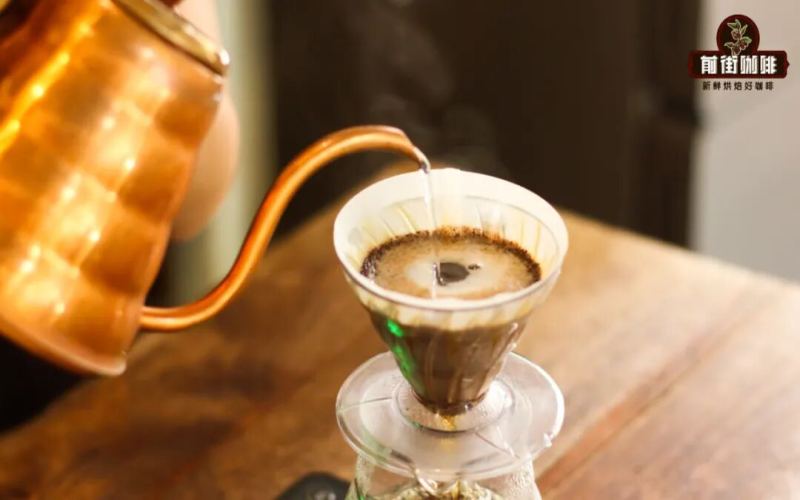
Pour-Over Coffee Water Pouring Techniques | How Should Coffee Beginners Learning Pour-Over Coffee Pour Water? What Details Should Be Paid Attention to When Pouring Water in Pour-Over Coffee?
At Front Street Coffee shops, we often meet friends who have been teaching themselves pour-over coffee at home and come to discuss brewing-related questions with us. Many of them say that although the parameters they use are exactly the same as those we recommend in the shop, the coffee they brew always tastes inconsistent—sometimes good, sometimes bad—and they have no idea where the problem lies. In cases like this, [more…]